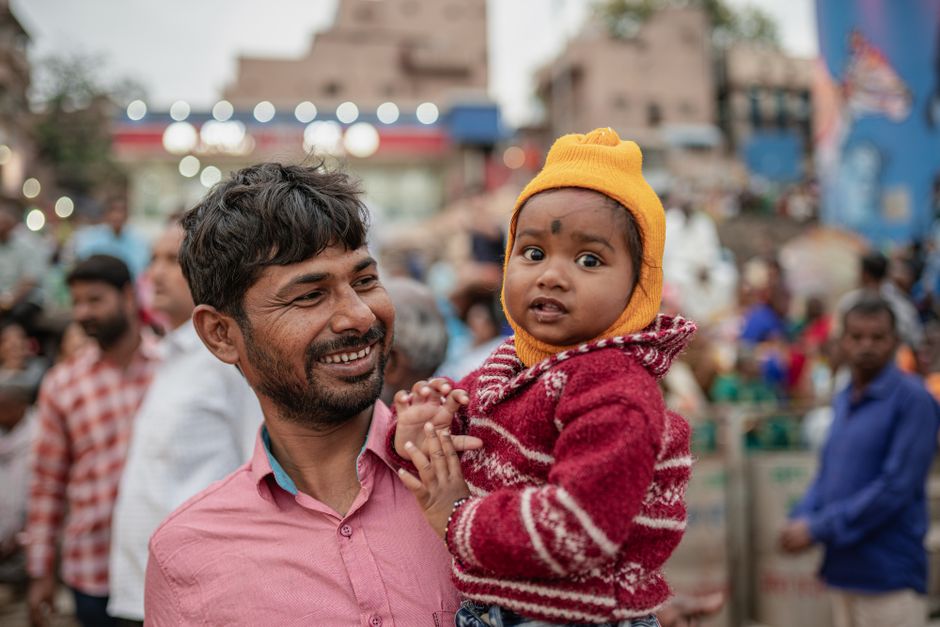
Is society truly progressing, or are we simply applauding the bare minimum? What happens when just **ten** fathers dare to step away from the traditional breadwinner role and immerse themselves in the often-invisible work of running a home? The answer, it seems, is a slow, quiet revolution that few are actually noticing.
According to research highlighted by The Conversation, a small cohort of fathers who took extended parental leave became significantly more involved in the domestic tasks essential for smooth family life. This isn’t just about changing nappies; it’s about managing schedules, meal planning, laundry, and the myriad other thankless chores that typically fall to one parent.

The Invisible Labour of Parenthood: Beyond Just Ten Dads
This study, however small, points to a much larger societal elephant in the room: the persistent imbalance of domestic labour and the deeply entrenched gender norms that dictate who does what, even in supposedly progressive nations like the United Kingdom. For generations, the expectation has been clear: fathers provide, mothers nurture and manage the home. While modern discourse often champions shared parenting, the reality on the ground, particularly in the UK, tells a different story. Parental leave policies, though improving, still often disproportionately favour mothers, both culturally and financially, making it difficult for fathers to step up even if they wish to.
The very fact that a study of a mere **ten** fathers makes headlines speaks volumes about how rare and noteworthy this shift still is. It’s a stark reminder of the invisible burden many mothers carry, a burden that often goes unacknowledged until someone else steps into those shoes. This isn’t just about fairness; it’s about the emotional, mental, and physical toll of managing the domestic sphere, often alongside a demanding career. When fathers take extended leave, they don’t just ‘help out’; they become fully integrated, often for the first time, into the relentless daily grind of household management. This experience fundamentally reshapes their understanding of what it takes to keep a family afloat.
Why Ten Isn’t Enough: The Real Stakes
Let’s be blunt: celebrating **ten** fathers as pioneers, while commendable in its own right, also risks masking the systemic inertia that prevents broader change. While these individual stories are powerful, they are a drop in the ocean compared to the millions of families where the default division of labour remains stubbornly traditional. The real hot take here is that we shouldn’t be patting ourselves on the back for such a modest shift. Instead, we should be asking why, in 2026, it’s still considered remarkable for fathers to fully engage in their children’s care and domestic life.
The mainstream narrative often focuses on the ‘choice’ parents make, but this overlooks the immense societal and economic pressures that shape those choices. Companies, despite talk of diversity and inclusion, often penalise fathers who take extended leave, viewing it as a lack of commitment. Furthermore, the cultural expectation for men to be primary earners remains strong, particularly in parts of the UK. This creates a vicious cycle: fathers are less likely to take leave because of these pressures, which in turn reinforces the idea that it’s a ‘mother’s role’, thus perpetuating the imbalance. Some might argue that change takes time, and these *ten* men represent a positive direction. And yes, every journey begins with a single step. However, the pace of this particular journey feels glacially slow.
The stakes are higher than just domestic fairness. True gender equality in the workplace will never be achieved until there’s true gender equality in the home. Until we see a widespread cultural and policy shift that genuinely supports and normalises fathers taking significant, extended parental leave, these stories, while heartening, will remain exceptions rather than the rule. We need more than anecdotes; we need a revolution in parental leave policy and a seismic shift in corporate and societal expectations. The question isn’t whether fathers *can* do the invisible work; it’s why society makes it so difficult for them to do it, and why we’re still so surprised when they do.
Source: NewsAPI:q