
The fatal shooting of a **man** by an ICE officer in Houston rips open old wounds and raises urgent questions about the remit and accountability of immigration enforcement, once again forcing a reckoning with state power and its limits.
Tuesday morning, a routine, if inherently fraught, immigration arrest turned deadly. An officer with U.S. Immigration and Customs Enforcement (ICE) initiated a traffic stop in Houston, ostensibly to apprehend a Mexican national. What transpired next, according to the Department of Homeland Security (DHS), was a fatal shooting by the ICE officer. This brief, stark announcement from DHS sets a chilling precedent, or perhaps, merely confirms the fears of those who argue for a fundamental re-evaluation of how immigration laws are enforced on American streets.

The incident immediately thrusts ICE, an agency long under intense scrutiny, back into the national spotlight, not for a border operation or a courthouse arrest, but for a deadly encounter during what began as an attempted traffic stop. The political context is inescapable: an administration that has, at times, sought to temper the more aggressive aspects of immigration enforcement is now confronted with an incident that will undoubtedly fuel calls for greater transparency and accountability.
What landed
The most impactful detail, delivered with a bureaucratic terseness that almost belies its gravity, is simply that a life was taken. “An ICE officer fatally shot a Mexican national Tuesday morning in Houston during an attempted traffic stop to conduct an immigration arrest,” the Department of Homeland Security confirmed. This statement, while devoid of specifics, is itself a moment that lands with a sickening thud. It confirms the escalation of an immigration enforcement action to the ultimate use of force, shifting the narrative from administrative detention to a criminal investigation, and from policy debate to a human tragedy.
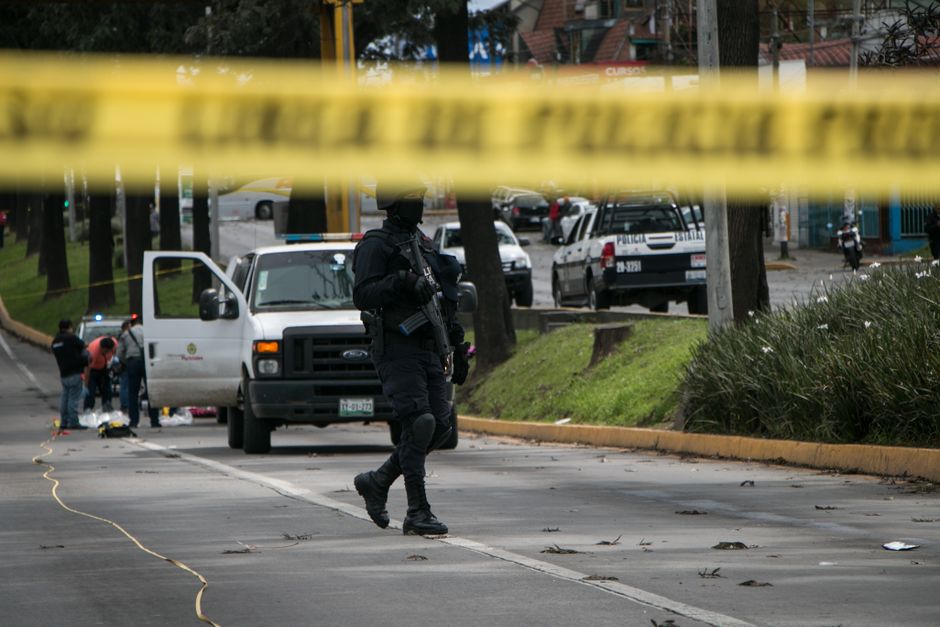
The very act of DHS stepping forward to acknowledge the shooting, however minimally, is a necessary first step. In an era where information—and misinformation—can spiral out of control within minutes, the official confirmation, even if skeletal, establishes the primary factual anchor. It sets the stage, however reluctantly, for the inevitable questions, demands for video evidence, and calls for an independent inquiry that will follow. For better or worse, the official record has been marked, creating a baseline from which all further investigations and public discourse will depart. This is not an encouraging development in itself, but a necessary evil to even begin the search for answers.
What doesn’t add up
The official statement, however, raises far more questions than it answers, creating a gaping chasm between the gravity of the event and the brevity of the explanation. How does an “attempted traffic stop to conduct an immigration arrest” so quickly, and so irrevocably, escalate to a fatal shooting? The leap from administrative procedure to deadly force is one that demands immediate and thorough justification, yet the DHS statement offers none. It simply presents the tragic outcome as a fait accompli, without a single detail regarding the circumstances that led to the officer discharging their weapon.

This lack of detail is not just an omission; it’s a glaring tension with the public’s reasonable expectation of transparency, particularly when an armed federal agent takes a life. Was the Mexican national armed? Did they pose an immediate threat of grievous bodily harm or death to the officer or others? What specific protocols permit ICE officers to conduct traffic stops for immigration arrests, and what training dictates the use of force in such scenarios? The official narrative, as it stands, seems to imply that the shooting was a regrettable but perhaps inevitable consequence of an attempted arrest, rather than an outcome requiring rigorous scrutiny of every preceding decision.
Furthermore, the very premise of an ICE officer initiating a traffic stop for an *immigration* arrest raises eyebrows. While ICE has broad enforcement powers, the blending of federal immigration enforcement with the tactics of local traffic policing often blurs jurisdictional lines and community trust. It’s a method that has consistently drawn criticism for potentially creating a climate of fear, discouraging individuals from reporting crimes, and disproportionately impacting communities of color. The absence of context around *why* a traffic stop was deemed the appropriate or necessary method for this specific immigration arrest, especially given the tragic outcome, is a significant and unsettling gap in the official account. The Department of Homeland Security’s statement, while fulfilling a basic requirement of acknowledgement, unfortunately feels less like a comprehensive explanation and more like an attempt to control the initial narrative without offering any substantive insight into the event itself.
Come Monday morning, the stakes will be considerably higher. This incident is not merely a localized tragedy; it will undoubtedly reverberate through ongoing debates about immigration policy, federal law enforcement oversight, and the use of force. Expect renewed calls for independent investigations, potentially from Congress and civil rights groups, demanding a full accounting of ICE’s procedures and a transparent report on exactly what transpired in Houston. Communities already wary of immigration enforcement will likely see this as further evidence of overreach, eroding what little trust remains. For ICE, and indeed for the entire Department of Homeland Security, the coming days will be defined by an intense pressure to fill the void of information with credible answers, lest the official narrative be overtaken by speculation and outrage.
Source: OnTheRecord