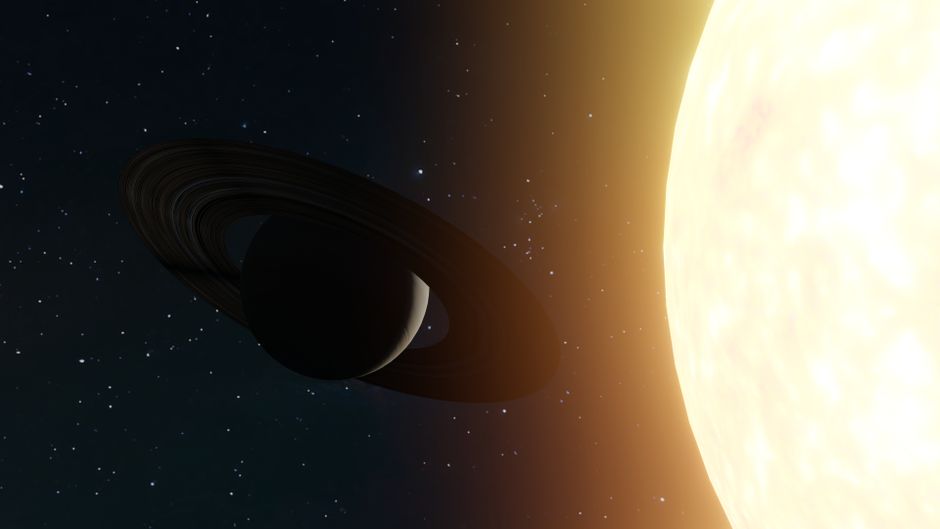
Another day, another spectacular image beamed back from the black abyss, another headline proclaiming a new cosmic marvel. But when the **James Webb** Space Telescope peels back the curtain on a truly alien world, are we just gawking at pretty pictures, or are we finally starting to understand the sheer, terrifying diversity of the universe?
According to ScienceDaily, the James Webb Space Telescope has indeed uncovered exotic salt clouds swirling in the atmosphere of a mysterious pink exoplanet. This isn’t just another smudge on a sensor; it’s a profound peek into the chemical makeup of a world light-years away.
The Unfolding Drama of Distant Worlds
For decades, our understanding of exoplanets was largely speculative. We detected wobbles in stars, dips in starlight, and inferred the presence of unseen giants. Now, thanks to instruments like the James Webb Space Telescope, we’re not just detecting; we’re *characterizing*. We’re moving beyond mere presence to actual atmospheric chemistry, a monumental leap in the search for life beyond Earth. This isn’t just about finding another rock; it’s about dissecting its very essence.
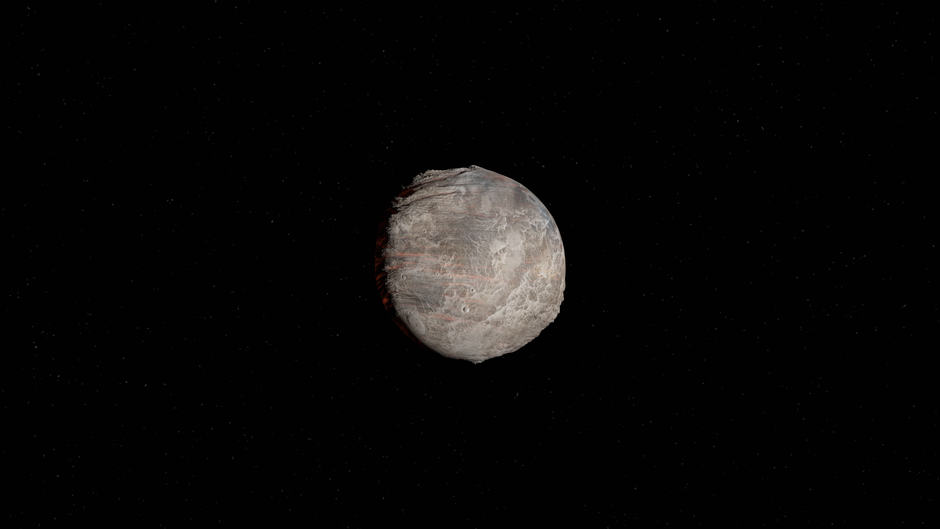
This particular discovery, a “mysterious pink world” with “exotic salt clouds,” paints a vivid picture of a planet utterly unlike anything in our solar system. Salt clouds suggest specific atmospheric temperatures, pressures, and chemical compositions that defy our terrestrial norms. They hint at processes — perhaps volcanic, perhaps oceanic, perhaps something entirely unknown — that shaped this world into its unique, vibrant hue. The implication is clear: the universe is a far more imaginative chemist than we ever dared to imagine. This level of detail was unthinkable just a few years ago. It underscores how rapidly our telescopic capabilities are advancing, pushing the boundaries of what we can discern from unfathomable distances.
Beyond the Pink Hype: What James Webb Really Reveals
Let’s be blunt: the “pink world” angle is catchy, designed to grab eyeballs. But the real story here isn’t the color, it’s the *salt*. Exotic salt clouds are not some cosmic fashion statement; they are a Rosetta Stone for planetary science. They tell us about the minerals present, the temperature gradients, the atmospheric dynamics, and potentially, the geological activity of a world we can never visit. This isn’t just another cool space fact; it’s a fundamental shift in our ability to profile and understand alien environments.
The mainstream narrative often focuses on the potential for life, and while that’s a valid ultimate goal, these discoveries highlight the immense complexity *before* life even enters the equation. We’re talking about worlds where fundamental chemistry operates under conditions alien to our experience. This challenges our very definitions of “habitable zone” and “life-sustaining elements.” Perhaps life isn’t necessarily carbon-based and water-dependent in the way we assume. Perhaps it thrives on conditions we currently deem hostile. The James Webb is forcing us to shed our Earth-centric biases, expanding our cosmological imagination with every data point. This salt cloud revelation, therefore, isn’t just a scientific curiosity; it’s a philosophical provocation.
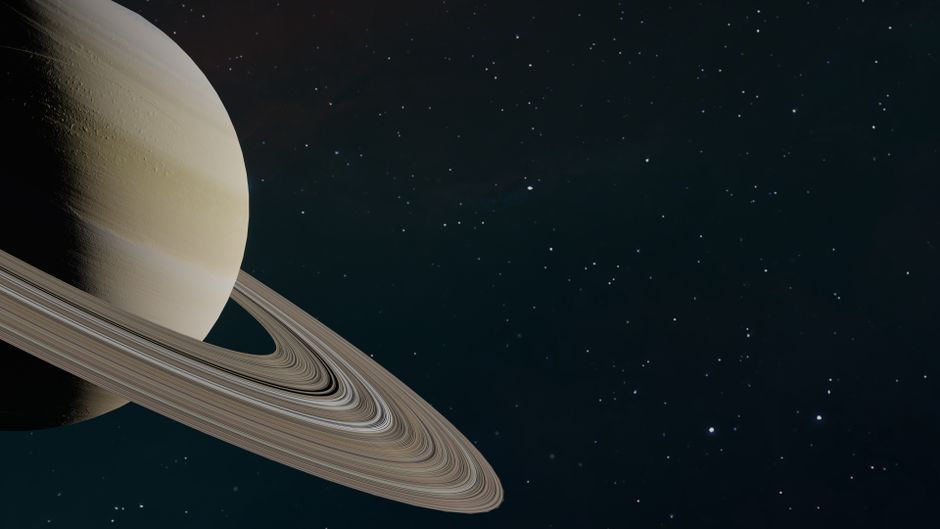
Consider the sheer audacity of this endeavor: peering across light-years to discern the chemical composition of alien weather systems. This isn’t just science; it’s an act of profound curiosity, a testament to humanity’s unyielding desire to understand its place in an incomprehensibly vast cosmos. While some might question the immense cost of such ventures, the knowledge gained, the perspectives shifted, and the inspiration sparked are priceless. This is how we push the boundaries of human knowledge, one exotic salt cloud at a time.
The pink world with its salty skies is not just an object of wonder; it’s a stark reminder that our universe is infinitely more complex and creative than any science fiction writer could conjure. What other chemical oddities await discovery, and what will they ultimately tell us about the very nature of existence? The James Webb continues to deliver, and our understanding of the universe will never be the same.
Source: Google — Space & Science