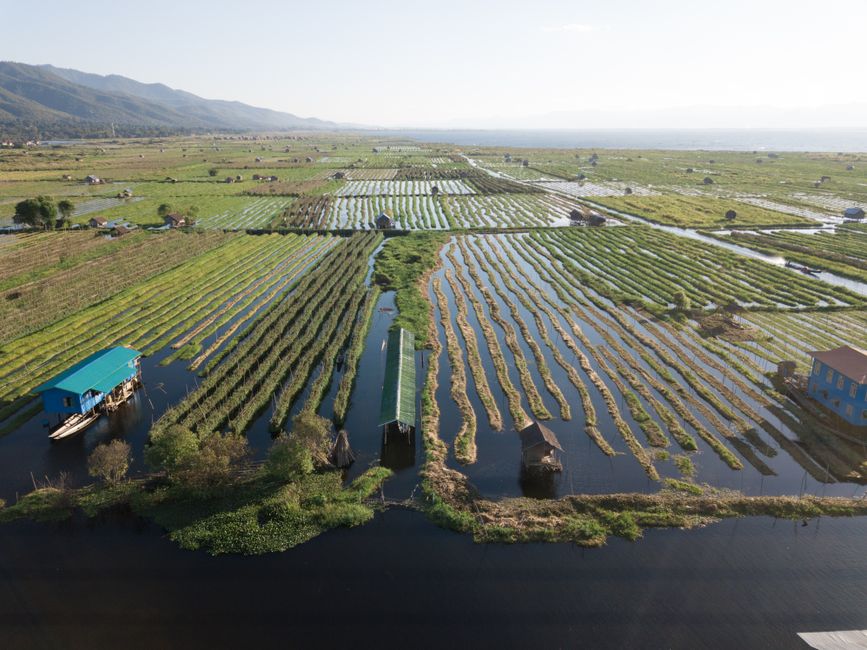
While the world argues over grand geopolitical chess, a quiet tragedy unfolds in Ethiopia, where vital **wetlands** are being swallowed whole, not by war, but by our insatiable hunger for farmland. This isn’t just an ecological footnote; it’s a profound unraveling of a landscape and the communities intimately tied to it. We often talk about grand development schemes, yet overlook the fundamental, often devastating, shifts happening right under our noses, fundamentally altering human existence.
According to a recent study published in PLOS ONE, researchers have delved deep into the reasons behind the significant transformation of wetlands into agricultural land in Bure and Womberma Woredas, located in Northwestern Ethiopia. The investigation employed a rigorous methodology, utilizing satellite imagery from Landsat to track changes in land use and land cover over time, complemented by direct insights gleaned from questionnaire surveys and key informant interviews with local populations. These findings paint a stark picture of environmental change.
The Disappearing Wetlands of Ethiopia
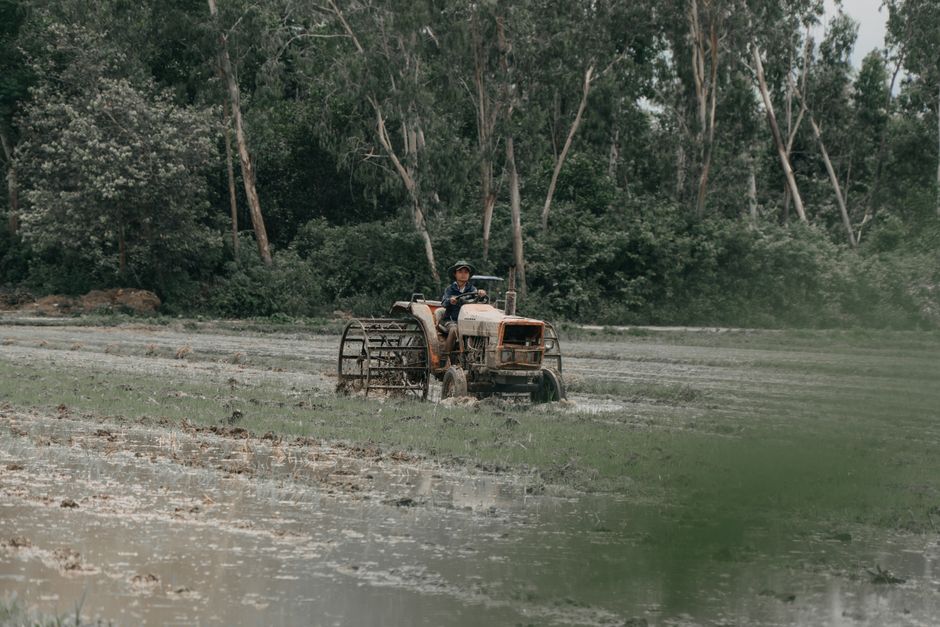
This isn’t a new phenomenon, but its acceleration is alarming. What we’re witnessing is a collision of population pressure, a desperate need for food security, and often, a tragic short-sightedness in land management. Wetlands, often dismissed as unproductive swamps or wastelands, are in fact incredibly rich ecosystems, providing crucial services like water purification, flood control, and vital habitat for diverse species. More importantly for the people on the ground, they are critical sources of water, fodder for livestock, and unique traditional resources. When these are converted to farmland, it’s not just a matter of swapping one land type for another; it’s a fundamental alteration of the local economy, culture, and very way of life.
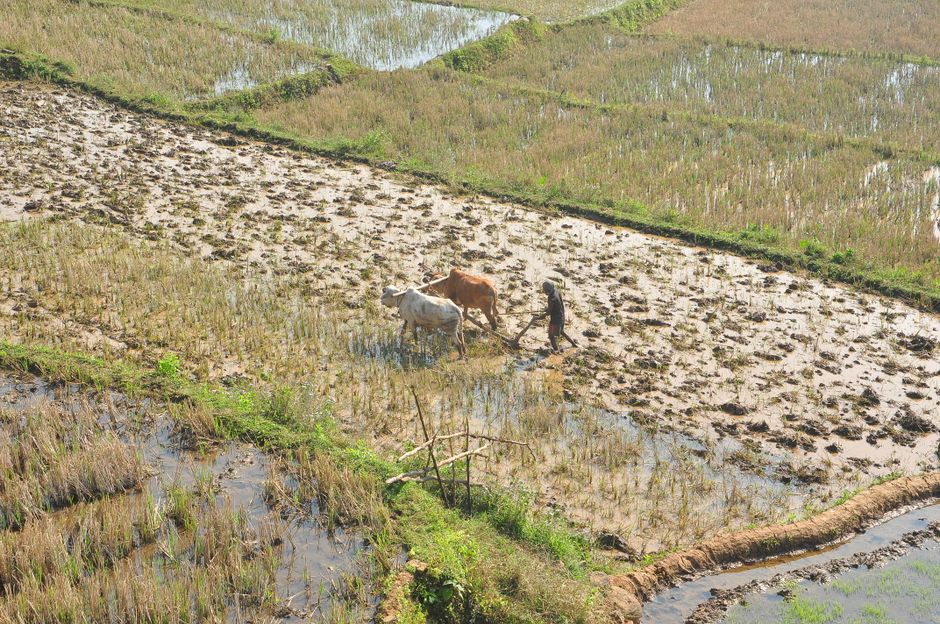
The players in this silent drama are complex. On one side, you have local farmers, often subsistence farmers, facing increasing pressure to feed their families in a region prone to climate variability and food insecurity. The immediate lure of fertile wetland soil, promising quicker crop yields, becomes an almost irresistible call for survival. On the other side, there are broader systemic issues: a lack of alternative livelihood options, limited access to technology for sustainable intensification of existing farmlands, and sometimes, government policies that inadvertently encourage expansion into these fragile zones. This isn’t a story of villainy, but often, of desperation.
Trading Long-Term Resilience for Short-Term Gains
Here’s the uncomfortable truth: While individual farmers might see immediate benefits from cultivating these rich soils, the long-term consequences are catastrophic. We are trading away ecological resilience for fleeting agricultural productivity. The loss of wetlands means diminished water tables, increased vulnerability to floods and droughts, and a devastating reduction in biodiversity that once underpinned the health of the entire region. This isn’t sustainable; it’s a ticking time bomb.
Who truly wins here? In the immediate term, perhaps a handful of families who gain a harvest. However, in the grander scheme, everyone loses. The local communities lose the natural infrastructure that once protected them. The environment loses its capacity to self-regulate. Future generations lose a vital natural heritage and the resources that could have sustained them for centuries. What the mainstream narrative often misses is the hidden cost of “progress” when it means destroying natural capital. We celebrate increased crop yields but fail to account for the irreversible damage to the very systems that support life. Moreover, the loss of these unique ecosystems often means the erosion of cultural practices, traditional knowledge, and specific ways of life that have evolved over generations in harmony with these natural spaces. That’s a human story we rarely tell.
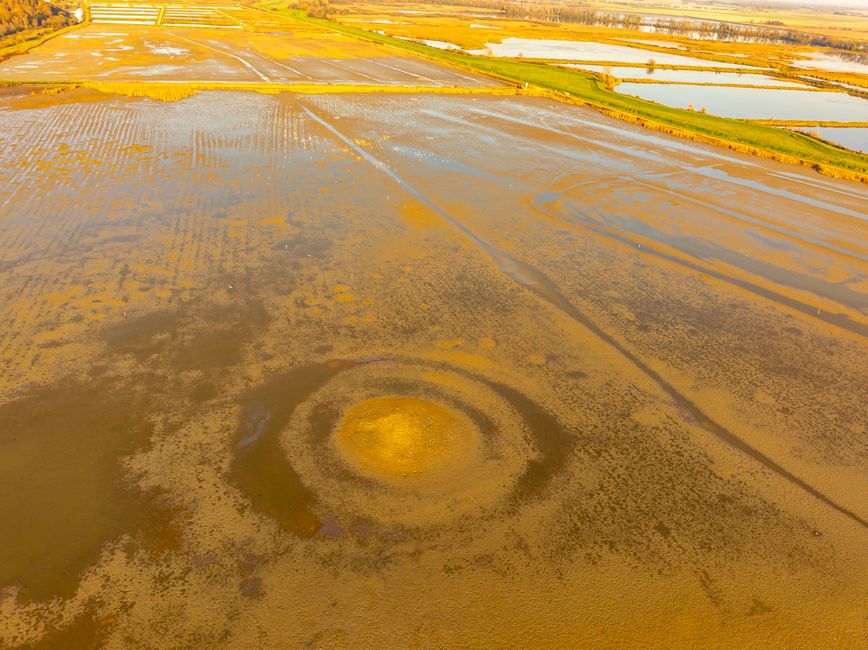
This isn’t just an Ethiopian problem; it’s a global blueprint for environmental destruction driven by immediate needs. We’re witnessing a slow, creeping crisis where the very ground beneath our feet is being redefined, with profound implications for both nature and the human spirit. Will we continue to sacrifice the long-term health of our planet and the unique cultures it fosters for the illusion of short-term gains, or will we finally recognize the irreplaceable value of places like these vanishing wetlands?
Source: NewsAPI:q