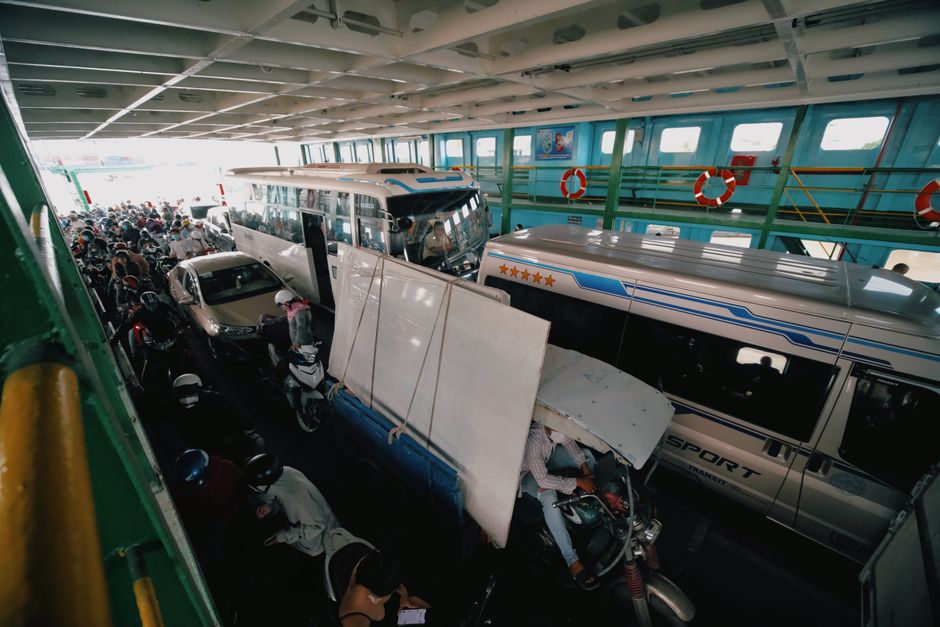
Is it truly an accident when the warning signs are blaring, and the vehicle is dangerously overcrowded? The latest tragedy in southwest Pakistan rips through the headlines, a stark reminder of the preventable human cost of systemic failures that plague public transport across the region.
According to AP News, an overcrowded bus plunged into a ravine in southwest Pakistan, resulting in the immediate deaths of 40 passengers and injuring eight others. This devastating incident paints a grim picture of commuter safety and infrastructure neglect.
The Peril of Overcrowded Journeys
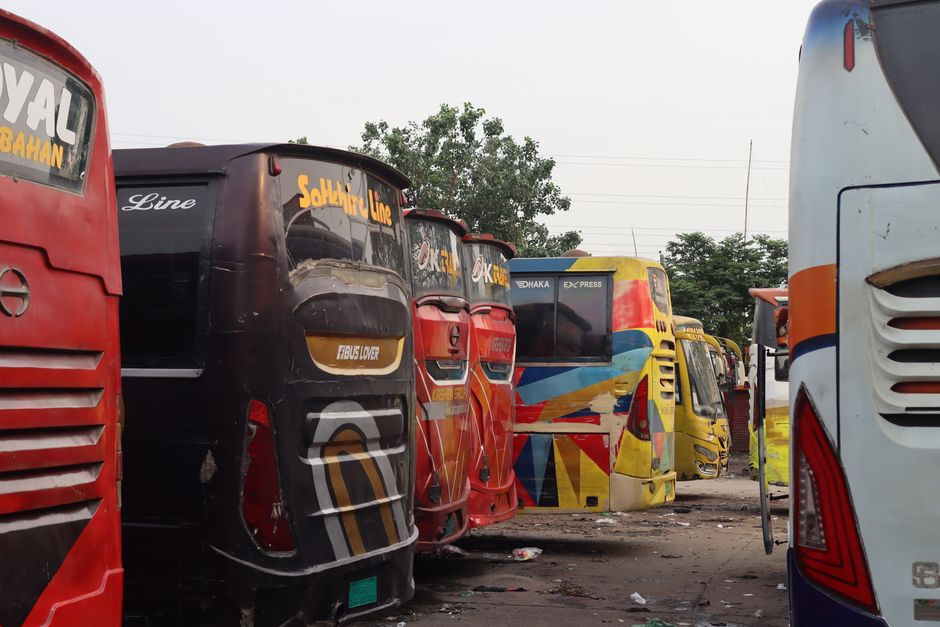
This isn’t an isolated incident; it’s a recurring nightmare for many in Pakistan, especially in its more remote and economically challenged areas. The nation’s public transport system, particularly in regions like Balochistan where this disaster struck, often operates under conditions that defy basic safety standards and human decency. Drivers frequently push vehicles far beyond their certified capacity, cramming in as many passengers as possible in a desperate bid to maximize their meager daily profits. This ruthless economic calculus, driven by sheer necessity for operators and passengers alike, and exacerbated by lax enforcement, transforms every journey into a terrifying gamble with fate.
Road infrastructure in many parts of Pakistan, especially the mountainous terrain of Balochistan, is notoriously treacherous. Narrow, winding roads, often poorly maintained and lacking essential safety features like guardrails, become death traps when combined with reckless driving, speeding, and, crucially, poorly maintained, often dangerously overcrowded vehicles. The systemic issues extend far beyond the immediate vehicle or driver; they encompass a pervasive regulatory vacuum. Government bodies tasked with oversight seem either chronically under-resourced, deeply corrupt, or simply indifferent to the plight of ordinary commuters. Furthermore, the immense economic pressures on both transport operators and the public mean that cheaper, albeit significantly riskier, transport options are frequently the only viable choice for millions. People choose to ride an overcrowded bus not out of preference, but out of a stark lack of safer, affordable alternatives.
This latest disaster highlights a grim, predictable pattern. Every few months, similar headlines emerge from different corners of the country, each one a tragic testament to lives senselessly cut short by a predictable chain of events. The core players in this recurring tragedy are clear: the desperate commuters seeking passage, the profit-driven operators pushing limits, and the regulatory agencies whose oversight is either absent or woefully inadequate.
Where True Responsibility Lies
Let’s be unequivocally clear: this wasn’t just an “accident”; it was a preventable catastrophe waiting to happen, a direct consequence of systemic neglect. The mainstream narrative often focuses solely on the immediate, dramatic cause – a bus plunging – but it conveniently sidesteps the deeper, uncomfortable truths that underpin such frequent disasters. Who truly wins in this grim equation? Certainly not the victims, whose lives are snuffed out, nor their grieving families left to grapple with unimaginable loss. The operators might eke out small, short-term profits by packing their vehicles, but at what unfathomable cost to human life and any semblance of ethical conduct? The real, enduring losers are the ordinary citizens of Pakistan, trapped in a vicious cycle where their fundamental right to safe passage is perpetually compromised for the sake of a few extra rupees or bureaucratic convenience.
The government, with its fundamental responsibility to ensure the safety and well-being of its populace, is conspicuously absent from the narrative of accountability. Grand promises of improved infrastructure, stricter regulations, and enhanced enforcement often follow such high-profile tragedies, only to quickly fade into the familiar mire of bureaucratic inertia and political expediency. The problem isn’t a lack of written rules or regulations; it’s a profound, systemic breakdown in their consistent and impartial enforcement. Drivers operate without fear of meaningful penalty, vehicles are rarely inspected properly, and passengers are left with no safer, affordable alternatives. This creates a culture of impunity and risk, where human lives are treated as expendable commodities.
This tragedy, like so many others involving an overcrowded vehicle, exposes a profound and disturbing disregard for human life. It’s a stark symptom of a broader societal malaise where the inherent value of an individual’s life is consistently weighed against the perceived cost of implementing proper safety measures and robust infrastructure. We must collectively ask ourselves: how many more innocent lives must be needlessly sacrificed before genuine, systemic change is finally compelled? Until then, every journey on a public bus in many parts of Pakistan remains a terrifying, life-or-death gamble with fate. The depressing cycle of tragedy, fleeting outrage, and subsequent public forgetfulness perpetuates itself, virtually guaranteeing that another overcrowded bus will inevitably meet a similar, preventable end.
The roar of the engine, the claustrophobic jostle of too many bodies, the horrifying plunge into the dark abyss. These aren’t just grim details; they are the chilling echoes of a society that has, for too long, normalized preventable death. When will the nation finally prioritize its people over profit, corruption, and corrosive apathy?
Source: Google — South Asia