It’s **Time To** finally shine a light on the conveniently dim corners of Canadian foreign policy, particularly when the stakes involve decades of quiet complicity in Central African conflicts.
This week’s “on-the-record” moment, rather remarkably, isn’t a presidential or world-leader interview at all. Instead, it’s a searing exposé from Yves Engler, reposted on Antiwar.com, that challenges the very silence of Canadian politicians and media. The piece dives headfirst into Canada’s unacknowledged role in the Democratic Republic of Congo, particularly in enabling Rwandan aggression over the last three decades.
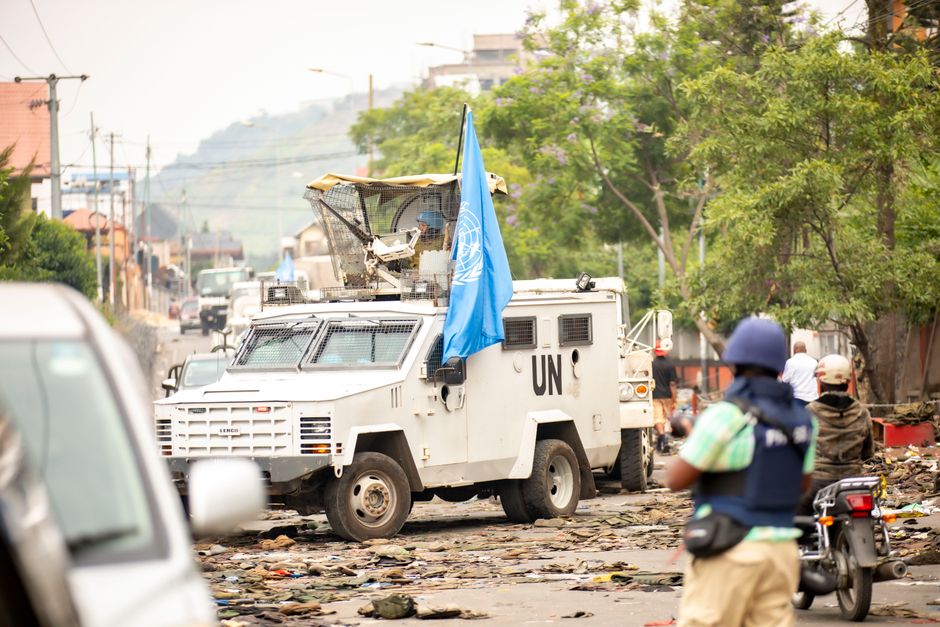
Engler’s analysis highlights a profoundly uncomfortable truth: while Congo has taken Rwanda to the World Court, the Canadian public sphere has remained conspicuously quiet. This isn’t mere oversight, the piece suggests, but rather a symptom of a deeper, decades-long pattern of enabling by Ottawa.
What landed
The most potent claim in Engler’s piece is the blunt assertion that Canada has “enabled three decades of aggression” in the Congo, largely by tacitly supporting Rwanda. This isn’t a minor accusation; it paints a picture of sustained foreign policy that runs counter to Canada’s self-professed image as a global peacekeeper. The article doesn’t just hint at this enablement; it positions it as the inescapable context for understanding the current World Court proceedings.
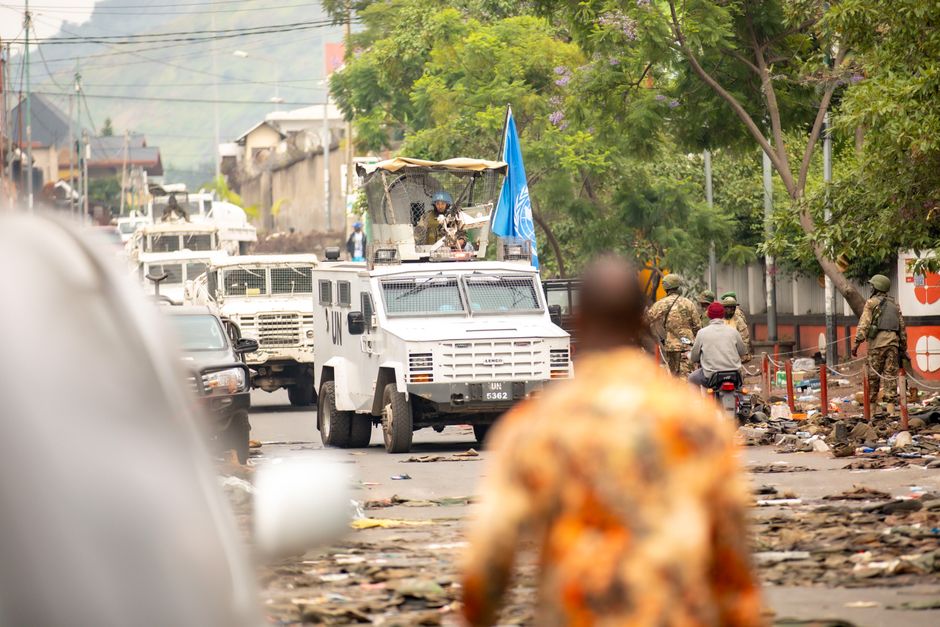
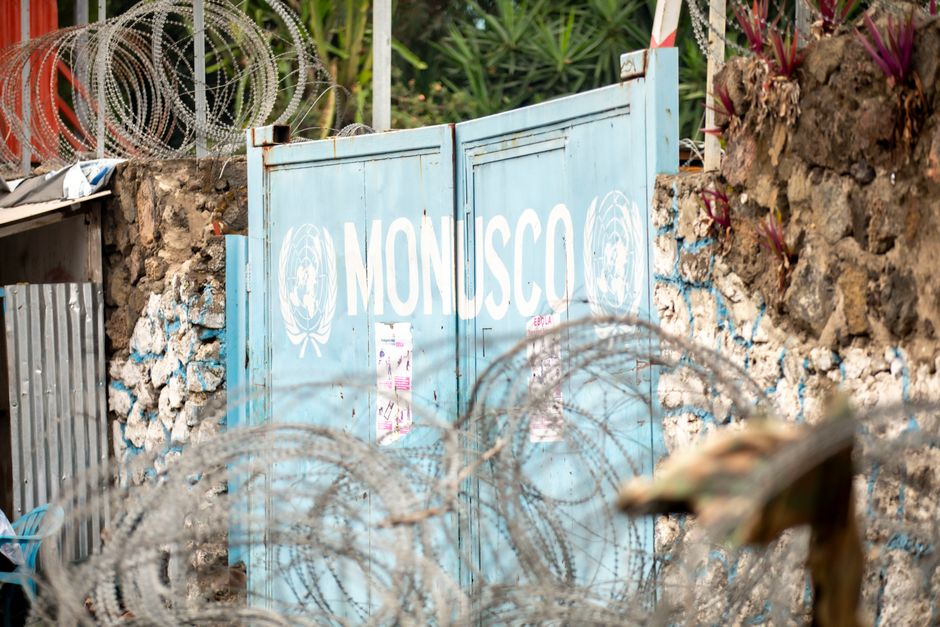
Crucially, Engler’s analysis pulls back the curtain on the “bizarre, little known, UN” mission Canada has led, suggesting it’s part of a larger, largely unexamined military footprint in the region. This detail, even left somewhat hanging in the summary, is enough to spark considerable disquiet. It implies a deeper entanglement than most Canadians are aware of, operating under the radar of public scrutiny. The deliberate ignorance from Canadian media and politicians regarding Congo’s World Court case against Rwanda is presented not as accidental, but as a telling indicator of this complicity.
The piece effectively lands a heavy punch by contrasting the gravity of the World Court case with the domestic silence. It’s a powerful indictment of what *isn’t* being said, forcing readers to consider why such significant international developments, with clear Canadian links, are being so thoroughly ignored by the very institutions meant to inform the public. This deliberate omission, Engler suggests, reveals more about Canada’s true foreign policy priorities than any official statement ever could.
What doesn’t add up
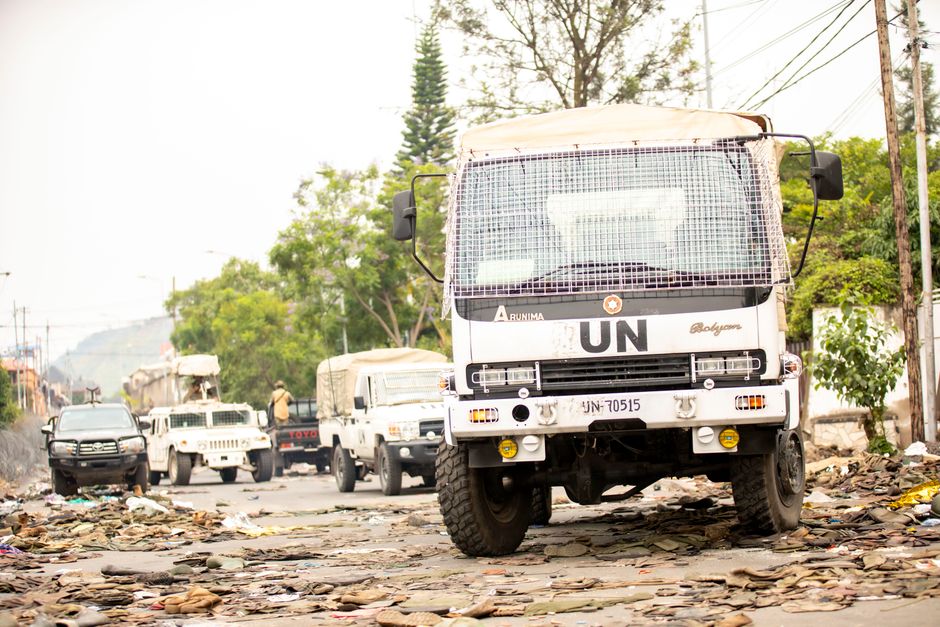
What doesn’t quite add up here isn’t a contradiction from a specific interview; rather, it’s the profound contradiction between the critical analysis presented in Engler’s piece and the deafening silence from official Canadian channels. The article’s claims about Canada’s decades-long enablement of Rwandan aggression and its leadership of a “bizarre, little known” UN mission in Congo stand in stark contrast to Ottawa’s usual pronouncements of humanitarian aid and international stability. If these allegations hold even a kernel of truth, the Canadian government’s lack of public explanation or even acknowledgement is, frankly, bewildering.
The piece highlights a convenient blind spot in Canadian discourse, where a World Court case concerning a region Canada has ostensibly sought to stabilize is met with crickets. This omission feels less like an oversight and more like a deliberate strategy to avoid uncomfortable questions about historical foreign policy decisions. It’s difficult to reconcile the image of Canada as a principled global actor with the idea that it has, for three decades, actively enabled aggression in a conflict-ridden region.
One is left to wonder if the absence of an official interview on this topic is, in itself, the most telling “on-record” statement. The current government’s failure to address these long-standing allegations, or to even acknowledge the World Court proceedings, suggests a strategic evasion. It raises a skeptical eyebrow: are Canadian leaders truly unaware, or are they simply unwilling to shed light on aspects of their foreign policy that don’t quite fit the national narrative?
Come Monday morning, if Engler’s analysis gains wider traction, the comfortable silence surrounding Canada’s role in Congo may well be shattered. The stakes are high: nothing less than the credibility of Canada’s foreign policy and its long-held image on the world stage. Accountability for three decades of alleged enablement might finally arrive, whether Ottawa welcomes it or not.
Source: OnTheRecord